
Uzbekistan's legendary Silk Road cities are among the most magnificent in all of Asia. Tashkent, Samarkand, Bukhara, and Khiva each offer a unique window into the history, architecture, and culture that made this region the crossroads of civilization for over two millennia.
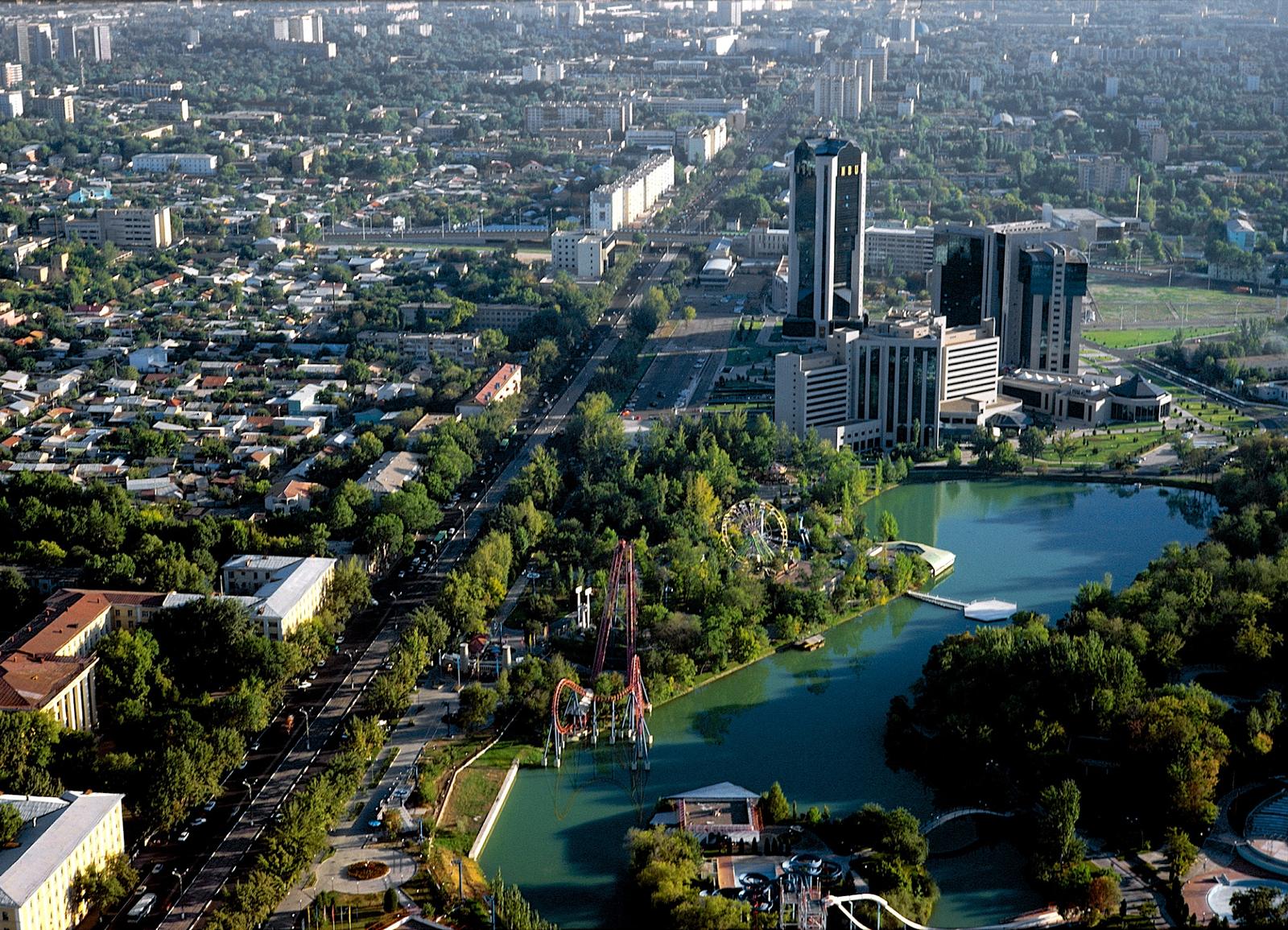
Tashkent — The Vibrant Capital
With a population of 3 million, Tashkent is the largest city in Central Asia — a bustling metropolis blending ancient traditions with modern energy. Key sites include:
- Hastimam Complex — Home to the revered Uthman Quran, one of the world's oldest copies of the holy book
- Chorsu Bazaar — A massive domed market with spices, dried fruits, ceramics, and traditional crafts
- Amir Temur Square — The monumental equestrian statue of Tamerlane and surrounding gardens
- Tashkent Metro — Four lines of beautifully decorated Soviet-era stations, each with unique artistic themes
- Navoi Theater — Grand opera and ballet venue named after the 15th-century poet
Samarkand — Pearl of the Orient
One of the world's oldest inhabited cities (2,750+ years), Samarkand was the jewel of Tamerlane's empire. Located 270 km south of Tashkent in the Zarafshan Valley:
- Registan Square — Three towering madrasas (Ulughbek, Sher-Dor, Tilla-Kari) with stunning tilework — UNESCO World Heritage
- Gur-e-Amir Mausoleum — The final resting place of Tamerlane, with its iconic ribbed dome
- Shah-i-Zinda Necropolis — A breathtaking avenue of shimmering turquoise mausoleums dating to the 10th century
- Bibi-Khanym Mosque — One of the largest mosques in Central Asia, built by Tamerlane
- Ulugh Beg Observatory — Where medieval astronomers mapped the stars with remarkable precision
Bukhara — The Noble City
A UNESCO World Heritage Site with 2,500 years of history, Bukhara was the first capital of modern Uzbekistan and the motherland of Imam Al-Bukhari. Known as "The Dome of Islam":
- Kalyan Minaret (45.6m) — So beautiful that even Genghis Khan spared it from destruction. The first documented use of glazed blue tiles in Central Asia.
- Kalyan Mosque — 208 pillars, 288 domes, rebuilt in the 16th century. Rivals any mosque in the Islamic world.
- Samanid Mausoleum — One of the oldest Islamic buildings in Central Asia (10th century), with extraordinary brickwork patterns.
- Labi-Hauz Ensemble — A serene pond surrounded by mulberry trees, madrasas, and traditional teahouses — Bukhara's most atmospheric spot.
- Sitorai Mohi Khosa Palace — The last Emir's summer residence, a stunning blend of Eastern and European architecture.
Khiva — A Living Open-Air Museum
A beautifully preserved walled city on the edge of the Karakum Desert. The Ichan Kala (inner fortress) contains over 50 historical monuments and 250 traditional houses:
- Ichan Kala — UNESCO-protected inner city with four historic gates, narrow labyrinthine streets, and working artisan workshops
- Kalta Minor — The famously unfinished minaret, covered in dazzling blue-green tiles. A legend says the Khan wanted to see Bukhara from its top.
- Juma Mosque — A unique hypostyle hall with 218 carved wooden columns, some dating back to the 10th century
- Islam Khoja Minaret — The tallest in Khiva (45m), with 118 steps to panoramic views over the ancient city
- Tosh Hovli Palace — 150+ rooms with Khiva's most sumptuous tilework, carved pillars, and ornate courtyards