
Uzbekistan can be visited year-round, but certain seasons offer ideal conditions for different types of adventures. Here's a month-by-month guide to help you plan the perfect trip.
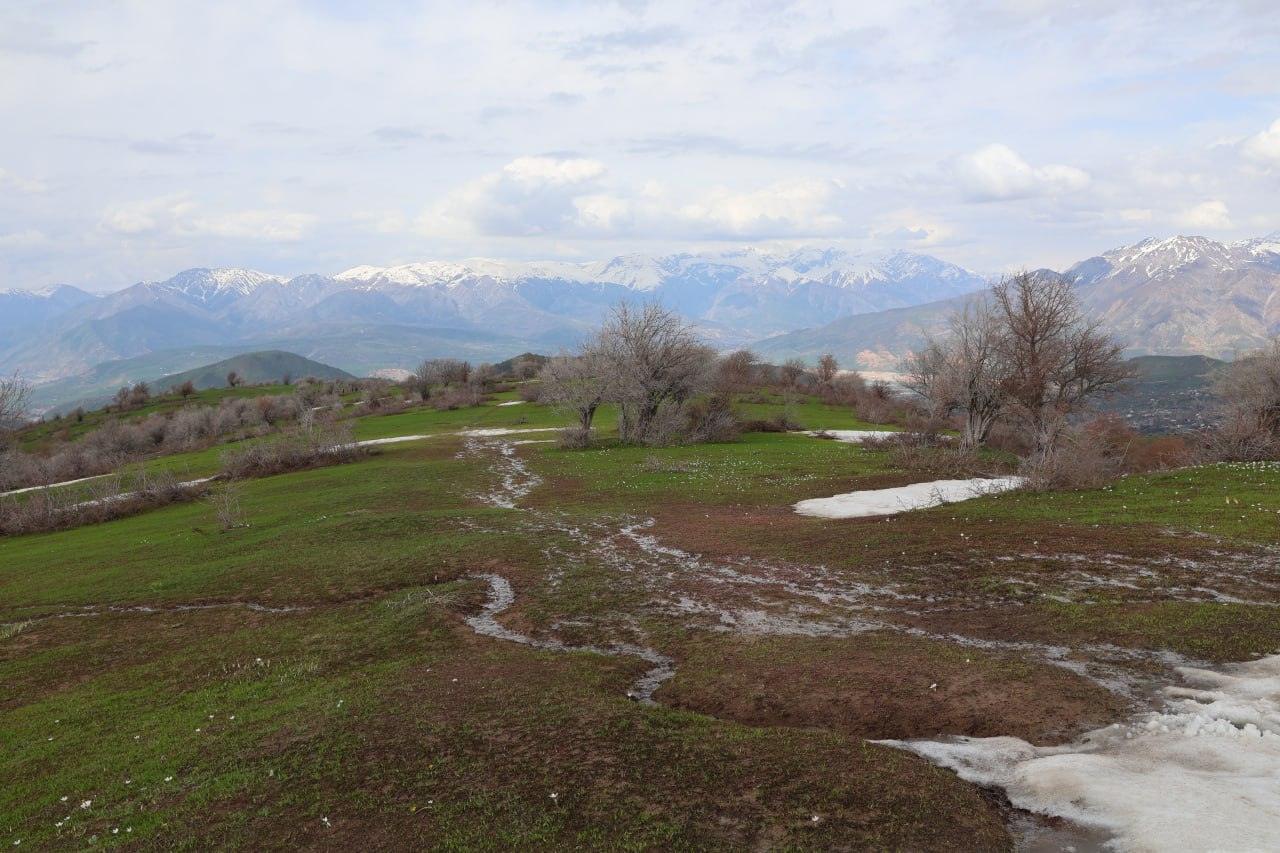
Spring (March – May)
The most magical season. Mountains turn green, wildflowers carpet the meadows, and temperatures are comfortable (15–25°C). March brings Navruz celebrations and the first crocuses. April–May are perfect for Nuratau trekking — wild tulips and walnut trees in bloom. Lower-altitude horse riding trails are at their greenest. Cities are pleasant for sightseeing without summer heat.
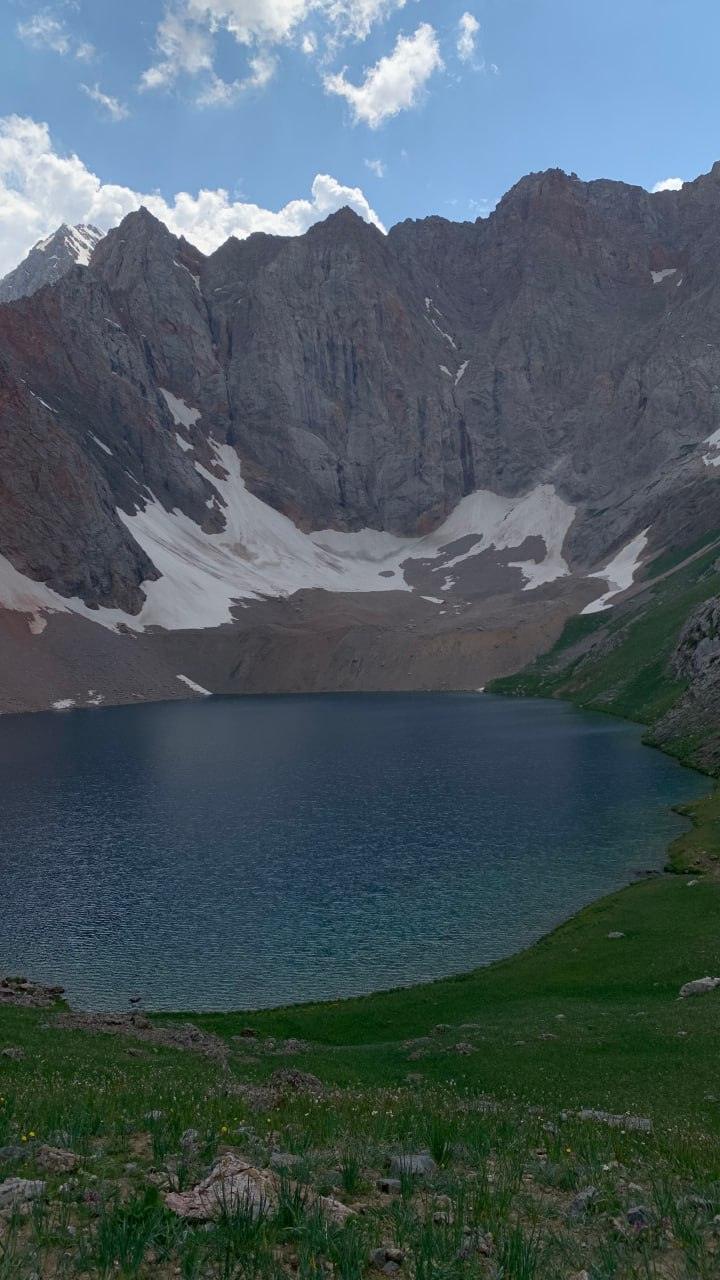
Summer (June – August)
Best for high-altitude trekking in the Chimgan and Chatkal ranges. Mountain areas remain pleasant (18–28°C) while lowland cities can reach 40°C. Long daylight hours (14+ hours) mean extended adventure time. Alpine lakes are accessible, glacial streams flow at their strongest. The Sharq Taronalari music festival in Samarkand happens in August.
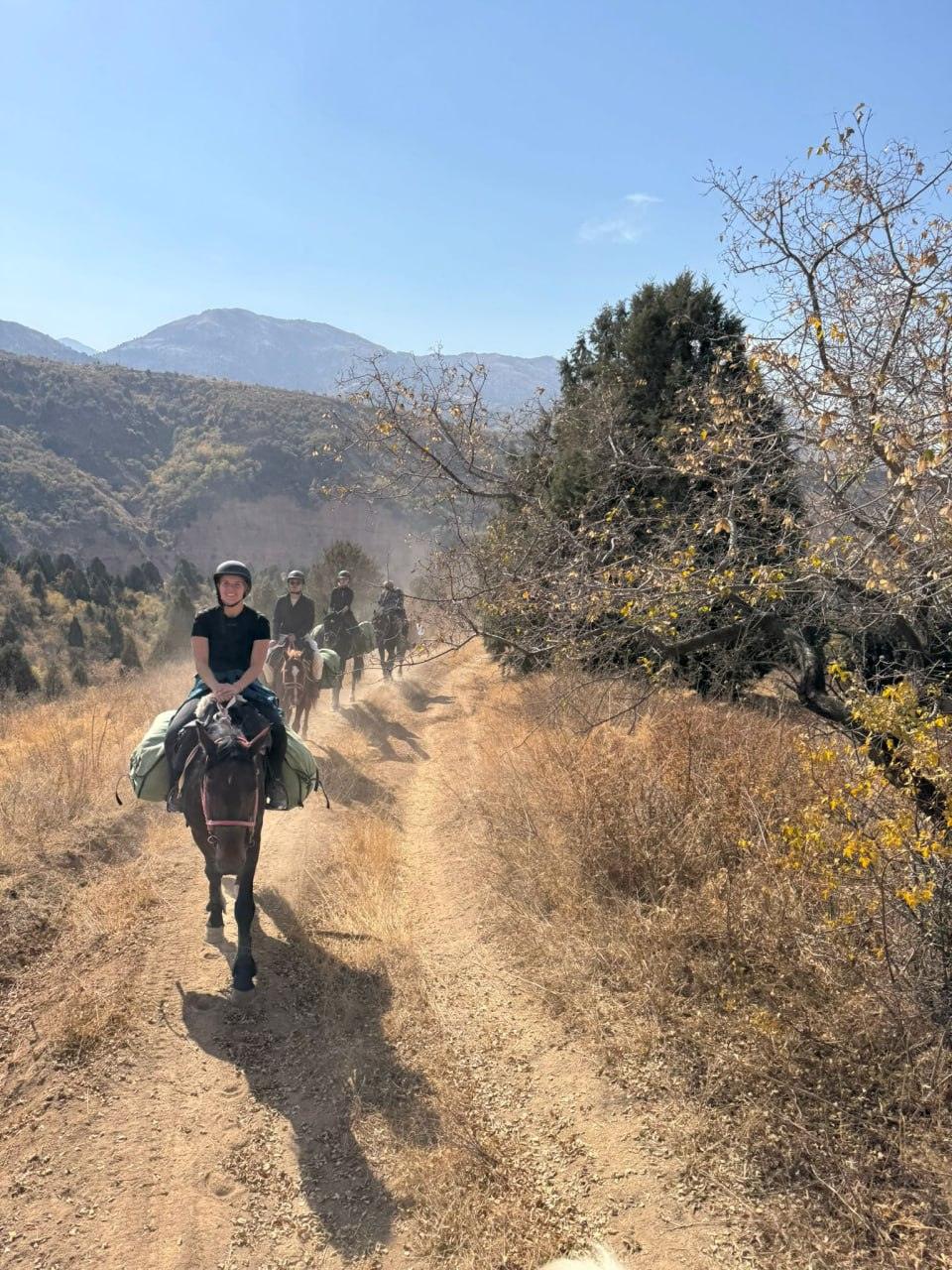
Autumn (September – October)
The golden season. Stunning fall colours, stable weather, fewer crowds, and the harvest in the villages. September is perfect for horse riding — comfortable temperatures, golden grasslands, and grape harvest in Fergana. October brings spectacular autumn foliage in the mountains. Cities are at their best for exploring without summer crowds.
Winter (November – February)
Mild winters in the cities (0–10°C) make sightseeing comfortable. Mountain areas offer skiing at Chimgan and Amirsoy resorts. Fewer tourists mean better prices and more personal attention at historical sites. The New Year season (mid-December) sees Tashkent beautifully decorated. Not ideal for trekking, but perfect for cultural city tours.