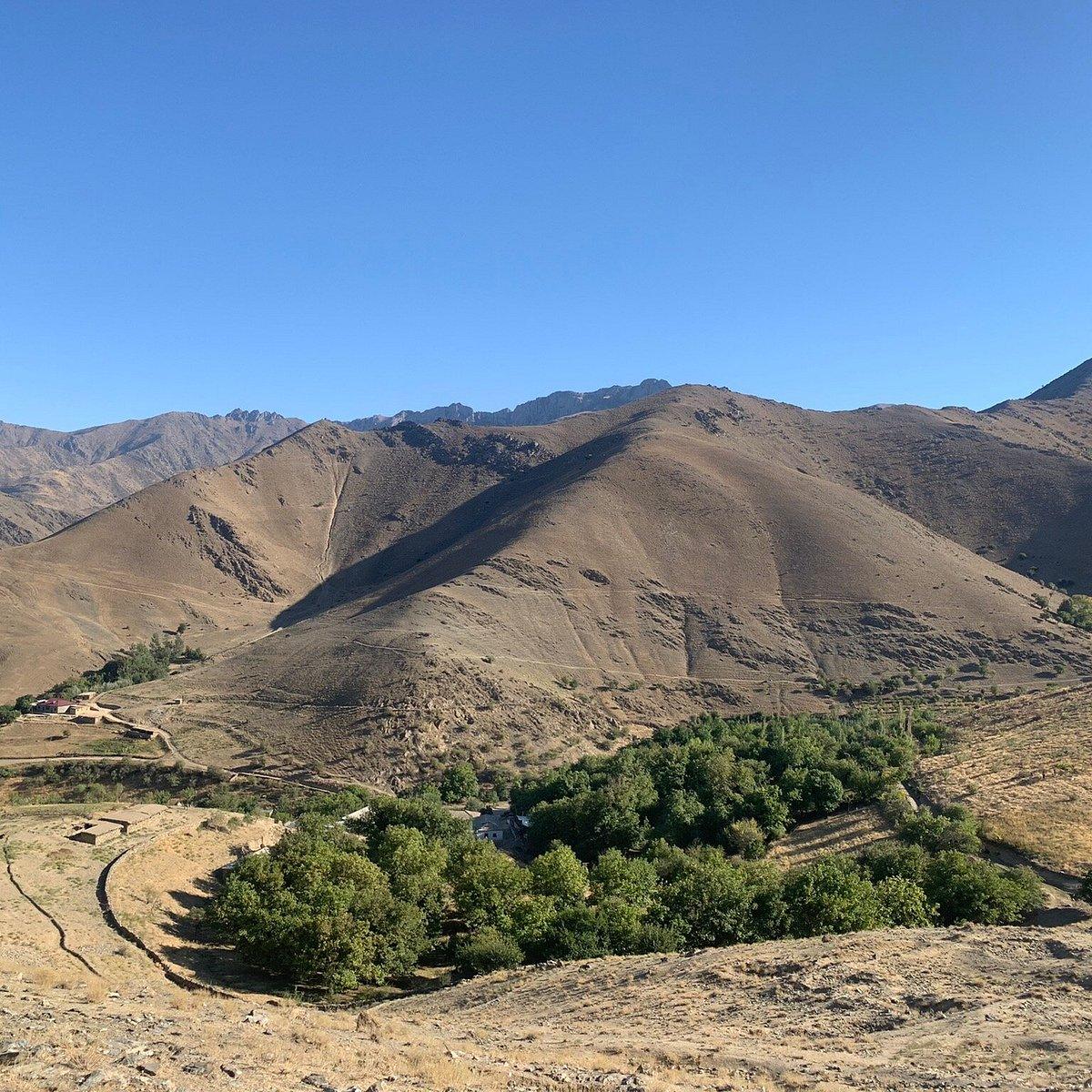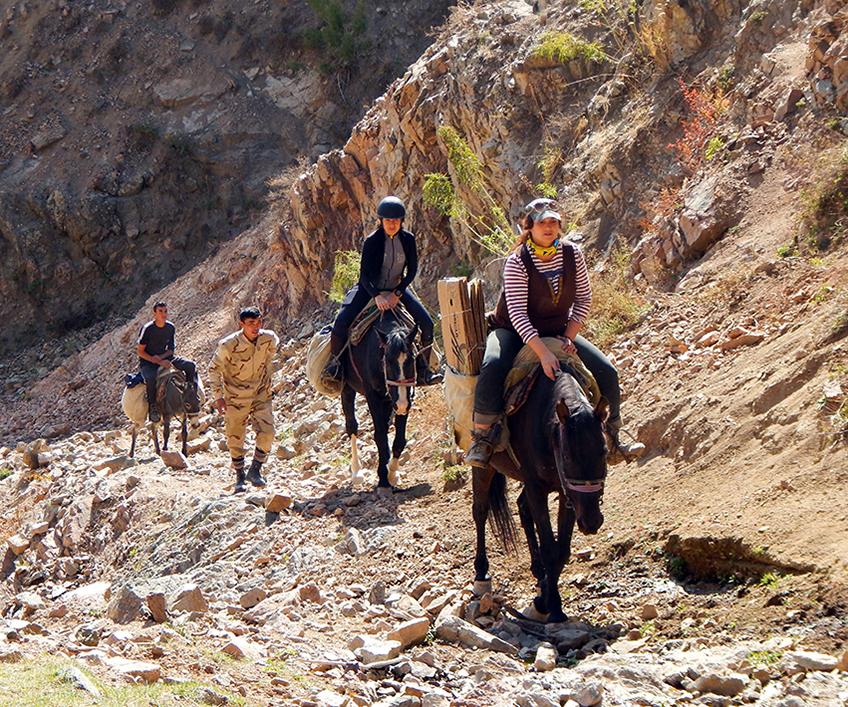
The ancient gateway to the Nuratau Mountains, Nurota holds 2,300 years of history. Founded by Alexander the Great, whose eroded fortifications still crown the hilltop, it has been a place of reverence for millennia. Below the fortress lies the Chashma spring — sacred trout swim in mineral waters said to have formed where Prophet Muhammad's son-in-law Hazrat Ali struck his staff. A 16th-century mosque and 9th-century mausoleum stand beside the spring. Nurota is also famous for circle-patterned suzani embroidery worth thousands at international auctions.
Highlights
- Alexander the Great's 2,300-year-old fortress ruins
- Sacred Chashma spring with holy trout
- 16th-century mosque & 9th-century mausoleum
- World-famous circle-patterned suzani embroidery
- Bronze Age Zukarnay Petroglyphs
- Gateway to Nuratau mountain adventures
The Sacred Spring & Fortress
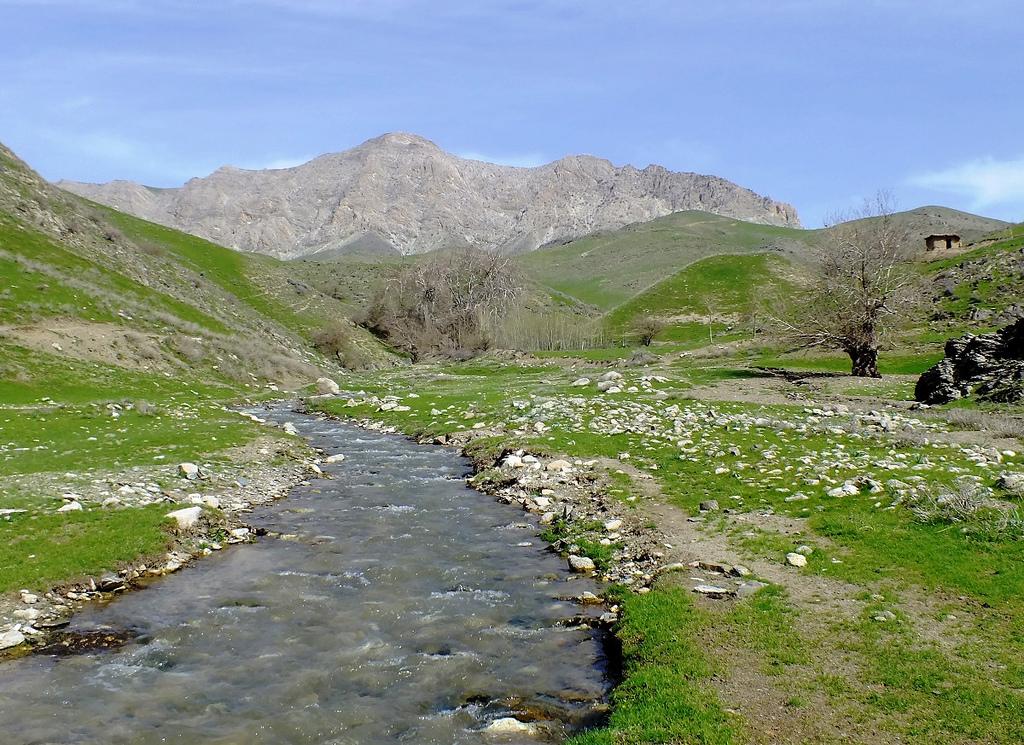
The Chashma spring — clear pools with sacred marinkha trout in water considered holy. The spring emerges from the hill where Alexander built his fortress (locally Nur, meaning 'light'). Visitors make wishes — a tradition bridging Islamic reverence and ancient Zoroastrian water worship.
Climb to explore the fortress ruins — mud walls and towers that guarded the northern Silk Road. Views stretch across the town, farmland, and mountains to the south.
Suzani & Petroglyphs
Nurota's suzani features distinctive large circular patterns — sun symbols or pomegranates. Created by women with silk on cotton, a single large piece takes months. These textiles sell for thousands at international auctions. Visit local workshops to see the process and buy directly from artisans.
A 4 km path leads to the Zukarnay Petroglyphs — Bronze Age rock carvings from 3,000–4,000 years ago depicting extinct animals, hunting scenes, and mysterious symbols.
Gallery