
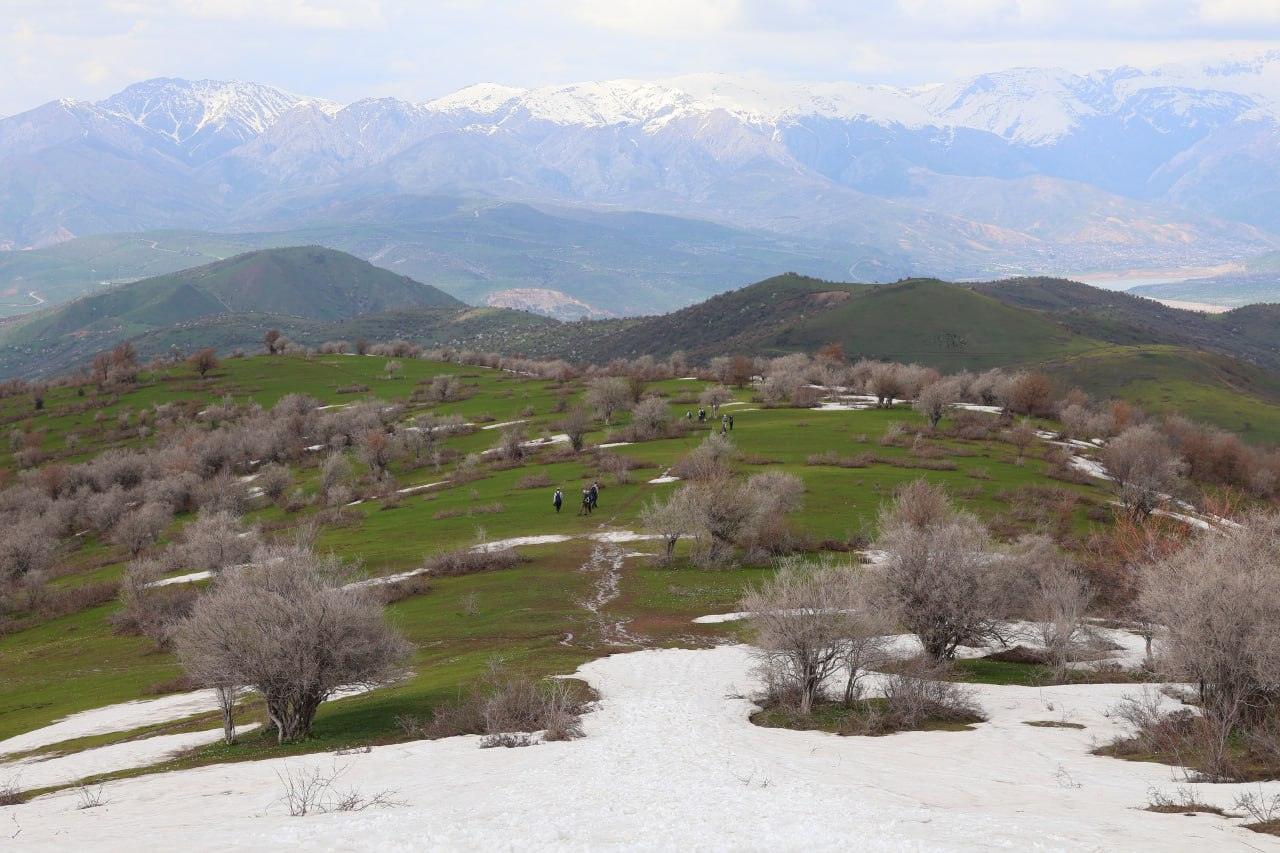
When spring arrives in the Nuratau mountains, something magical happens. The brown, dormant hills explode into a thousand shades of green. Ancient walnut trees unfurl their leaves. Wild tulips push through the warming soil. Streams swollen with snowmelt rush through every valley. And in the stone villages scattered across these slopes, families open their doors to welcome trekkers with fresh bread and green tea.
The Nuratau Difference
Unlike the dramatic high-altitude peaks of Chimgan and Chatkal, the Nuratau mountains offer a gentler, more intimate trekking experience. The trails wind through rolling hills at moderate elevations (1,000-2,000m), passing through ancient walnut forests, along clear streams, and through villages where Community-Based Tourism (CBT) has been welcoming guests since 2007.
The Villages
The heart of Nuratau trekking is the network of traditional villages — Sentob, Ukhum, Asraf, Hayat, Marguzor — where families have converted their homes into simple but comfortable guesthouses. You sleep in traditional rooms on soft kurpachas (mattresses), eat home-cooked meals prepared with ingredients from the family garden, and listen to stories of mountain life over evening tea.
Wildflower Season
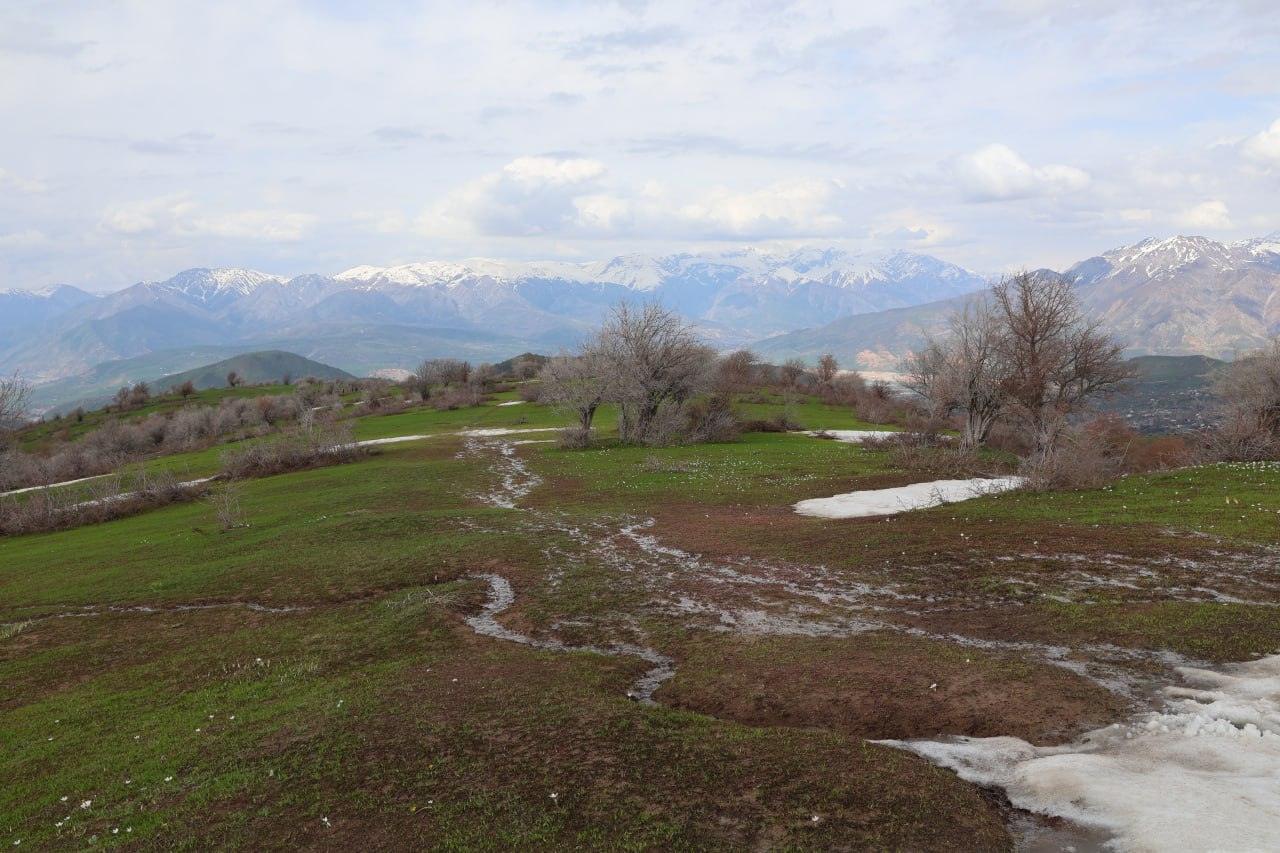
From late March through May, the Nuratau hills become a natural flower garden. Yellow crocuses appear first, often poking through the last patches of snow. Then come the wild tulips — Uzbekistan's national flower — in vivid reds and yellows. By May, the meadows are carpeted with buttercups, poppies, and dozens of species that have no English name. It is a photographer's paradise.
Ancient Petroglyphs
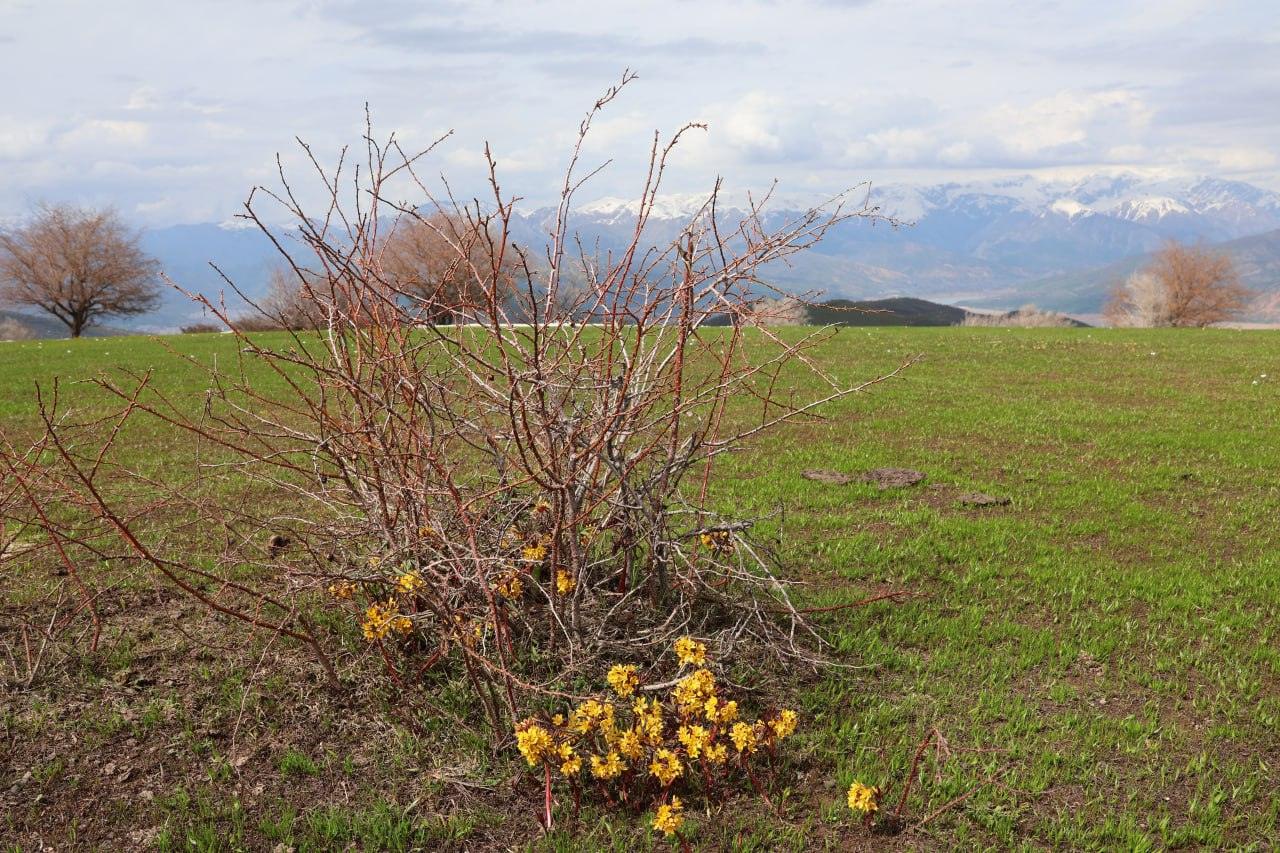
Scattered across the Nuratau mountains are rock carvings dating back to the Bronze Age — 3,000 to 4,000 years old. Near Ukhum village, you can find petroglyphs depicting ibex, horses, hunting scenes, and mysterious spiral symbols. Walking among these carvings, you realize that people have been exploring these mountains for millennia.
Practical Information
- Best time: Late March to mid-May for flowers; September-October for autumn colors
- Difficulty: Easy to moderate — suitable for all fitness levels
- Accommodation: Village guesthouses (CBT network)
- Getting there: 3-4 hours drive from Tashkent, or combine with Samarkand visit